
Why Change Orders Keep Hurting Your Project Margins
Late change orders quietly drain project margin. See how paperwork piles up, what a documented change order includes, and how...
Read More → 
AI-powered dashboards highlight key trends instantly and turn complex project data into clear, actionable insights.
Request a demo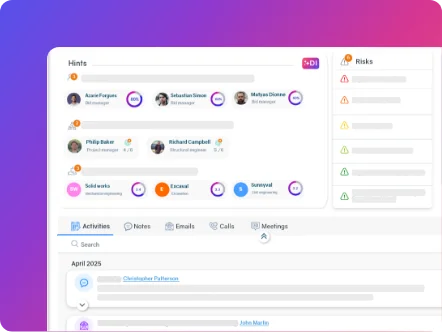
AI-powered dashboards highlight key trends instantly and turn complex project data into clear, actionable insights.

AI-powered dashboards highlight key trends instantly and turn complex project data into clear, actionable insights.
Request a demoAI-powered dashboards highlight key trends instantly and turn complex project data into clear, actionable insights.
Fragmented data in industries like construction, engineering, and manufacturing leads to inefficiencies and poor decision-making due to siloed information. Integrated solutions, such as centralized platforms and AI-driven analytics, are crucial for enabling smarter, faster decisions and improving operational outcomes. Addressing data fragmentation allows businesses to unlock real-time insights, enhance collaboration, and gain a competitive edge in an increasingly data-driven world.

In industries like construction, engineering, and manufacturing, fragmented data is a widespread challenge that often leads to inefficiencies, poor decision-making, and limited scalability. Data is generated from multiple sources, from on-site project data to inventory logs and client communications, yet this valuable information is often siloed, resulting in delayed insights and misaligned objectives. As a result, the need for integrated data solutions is more pressing than ever.
In 2024, FMI predicts a 10-20% growth across key segments in construction. However, the industry still faces major challenges with data management. Poor data quality costs the industry over $88 billion annually in rework, and improving data strategies could save up to $1.85 trillion globally .
In this article, we’ll explore what fragmented data is, why it hinders effective decision-making, and how integrated solutions like centralized data platforms, AI-driven analytics, and real-time integration can help. By addressing these challenges, companies can transform scattered data into a unified resource, enabling smarter and fasterdecisions that drive growth and competitive advantage.
Data silos occur when data is stored separately within different departments or systems, often due to legacy technology, inconsistent data management practices, or lack of communication between teams. In industries where data is generated from various specialized sources, these silos form naturally, making it difficult for organizations to harness a complete view of their operations. For example, in construction, project management data may be isolated from financial records and supplier information.
Engineering teams might store CAD files separately from other project documentation, and manufacturing companies often maintain isolated databases for production, inventory, and supply chain. These barriers prevent organizations from obtaining a unified source of truth, leading to lost opportunities and inefficiencies.
When data is fragmented, decision-makers lack access to the complete picture. Inconsistent information leads to conflicting conclusions, delayed insights, and decisions based on partial data. This impact is felt across industries:
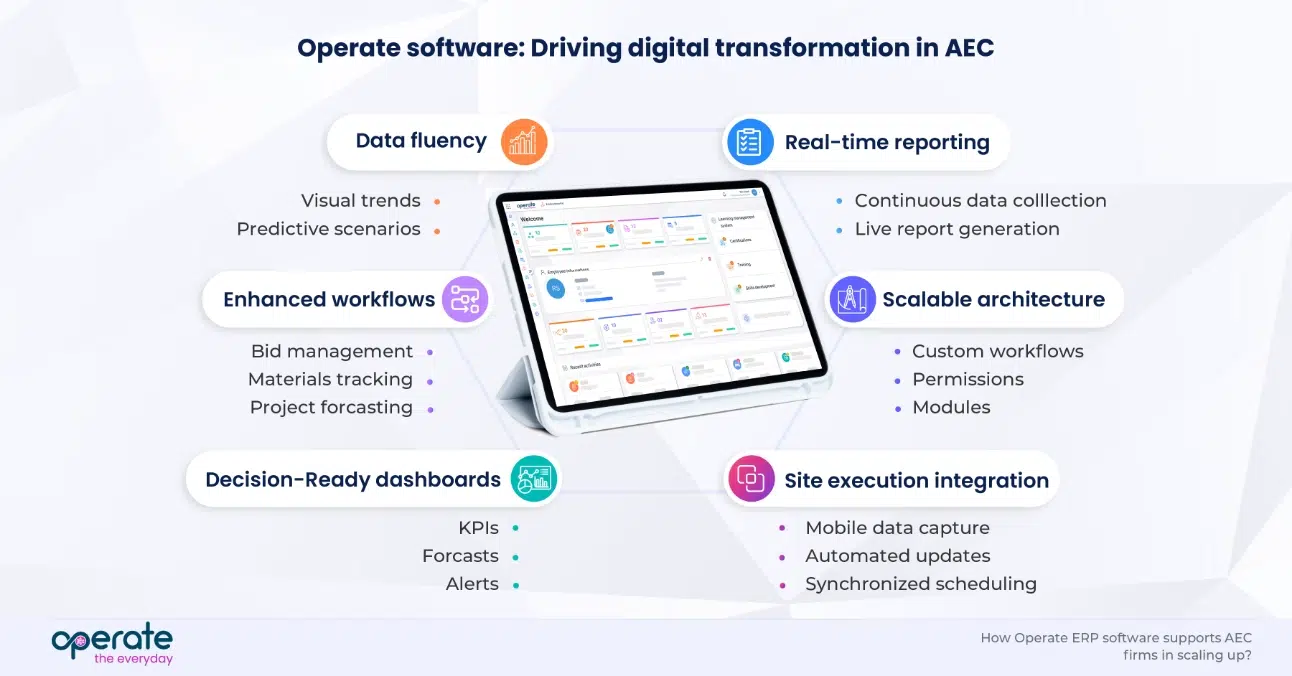
Fragmented project data can result in inaccurate cost estimates, resource misallocation, and costly delays. When teams rely on disjointed information, project timelines suffer, and budget overruns become more common. In addition, fragmented data prevents proactive risk management, making it harder to anticipate potential roadblocks, ultimately undermining client satisfaction and long-term project success.
Misaligned design documents and client communication reduce efficiency and increase the risk of errors. Without a single source of truth, engineers may encounter conflicting revisions, leading to design flaws or delays in approval cycles. Furthermore, poor data integration between departments can hinder innovation, as teams may not have access to the most up-to-date designs or client feedback, ultimately delaying product launches and increasing costs.


Start simplifying your projects, aligning your teams, and making smarter decisions today.