
Why Contractors Are Rethinking Their Construction Software Bill in 2026
Curious what pricing actually looks like in 2026? See how the model works, and what a per-user alternative that deploys...
Read More → 
AI-powered dashboards highlight key trends instantly and turn complex project data into clear, actionable insights.
Request a demo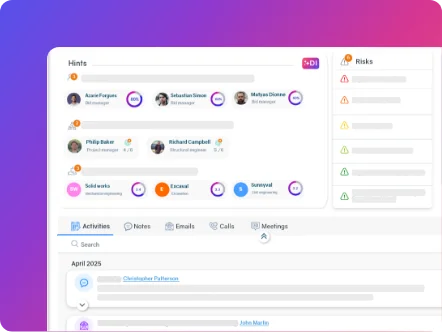
AI-powered dashboards highlight key trends instantly and turn complex project data into clear, actionable insights.

AI-powered dashboards highlight key trends instantly and turn complex project data into clear, actionable insights.
Request a demoAI-powered dashboards highlight key trends instantly and turn complex project data into clear, actionable insights.
It’s renewal season, and the invoice from Procore just landed in your inbox. It’s higher than last year. Again. You pull up last year’s contract to check the math, and there it is: another increase, same modules, same team size. Nobody signed up for that when they demoed the platform two years ago.
Procore’s cost isn’t tied to seats or modules. It’s tied to the total dollar value of the construction work you’re managing, your Annual Construction Volume (ACV). Two firms with identical teams can end up with very different bills depending on project size. That means the year your backlog grows is the year your software bill grows with it, whether or not you added a single new user.
There’s no published price list. You find out what you’ll pay by requesting a quote, after you’ve already invested time in a demo process.
Because the bill is built to grow with your business, not with your usage. Win more work, and your ACV rises, even if your headcount, project count, and daily usage stay flat. You’re not being asked to pay for more software. You’re being asked to pay more because your business is doing well, which is an odd thing for a software bill to track.
It also means you can’t budget for next year’s cost with any real confidence. A model tied to project volume moves every time your pipeline does.
Operate prices per user, not per dollar of work in the ground. Add ten users, pay for ten users, and grow your construction volume without a corresponding jump in your software line item. There’s no ACV calculation standing between you and a number you can predict twelve months out, and no sales cycle required just to learn what something costs.
Deployment runs in days, not months, for teams of any size, not just enterprise GCs with a dedicated IT department to manage the rollout. Field and office data live in one place from day one, so you’re not paying a long implementation timeline before the platform is doing any work for your team.
If Procore’s ACV model is baked into an enterprise contract requirement from a project owner, that’s a real constraint worth naming honestly. Operate isn’t positioned to replace that specific requirement today. But for firms feeling the renewal creep, paying for a platform sized for a bigger company than theirs, or stuck mid-implementation on a system that hasn’t gone live yet, the calculation is worth running side by side.
Bring us your last Procore invoice. We’ll show you what the same team looks like on a per-user model.

Operate Expert
Our Operate experts work specifically with AEC teams. They'll show you the parts of Operate that are relevant to how you work — and be straight with you about whether it's the right fit.
If you're evaluating software, or if you're paying for a platform your teams have stopped using, it's worth 15 minutes.
Book a discovery call →No. Procore uses a custom, quote-based model tied to Annual Construction Volume, so pricing isn’t listed publicly and requires a sales conversation to learn.
No, most plans include unlimited users. The trade-off is that cost scales with your annual construction volume instead, so growth in your project backlog can increase your bill even without adding users.
Operate prices per user, so your cost tracks your team size, not the dollar value of your projects, and the rate is published rather than quote-based.
Operate is built to deploy in days for teams of any size. Procore’s own model, which quotes and configures per contract, typically involves a longer onboarding and configuration process before go-live.



Start simplifying your projects, aligning your teams, and making smarter decisions today.